

Regular inspection keeps Excavator Rubber Tracks working longer. Industry studies show that early detection of cracks and cuts, cleaning after each use, and adjusting track tension all help prevent damage. Operators who follow these steps avoid costly breakdowns and get the most value from their machines.
- Early detection of wear prevents bigger problems.
- Cleaning removes debris that causes damage.
- Adjusting tension protects the undercarriage.
Key Takeaways
- Inspect excavator rubber tracks daily for cuts, debris, and proper tension to catch problems early and avoid costly repairs.
- Clean tracks after each use to remove mud and debris, which prevents damage and helps the machine run smoothly.
- Check and adjust track tension regularly to protect parts, extend track life, and keep the machine safe and stable.
Inspecting and Cleaning Excavator Rubber Tracks
Daily and Periodic Inspections
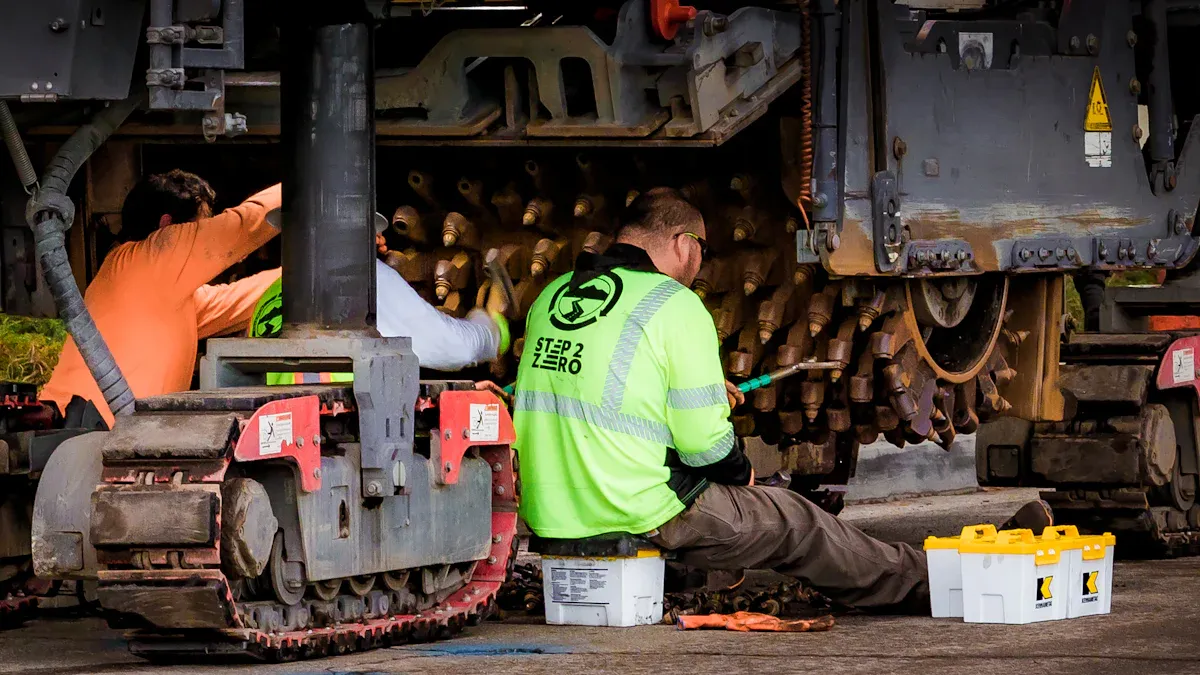
Operators who inspect Excavator Rubber Tracks daily protect their investment and avoid costly repairs. Equipment manufacturers recommend a daily check for cuts, tears, and exposed steel. These issues can let moisture in and cause rust. Track tension should be checked every day to prevent de-tracking and extend track life. Operators should also look at sprockets for wear during periodic checks.
A daily inspection checklist helps keep the machine in top shape. The table below shows important items to review:
| Inspection Item | Details |
|---|---|
| Damage | Look for deep cuts or abrasions on the rubber tracks. |
| Debris | Remove debris or packed mud using a shovel or pressure washer. |
| Sprockets | Check for damage or loose bolts. |
| Rollers and Idlers | Inspect for leaks or uneven wear. |
| Track Sagging | Watch for sagging tracks hitting components; measure track tension if sagging is noted. |
| Track Tension Measurement | Measure sag at middle track roller; adjust tension by adding grease or releasing pressure. |
| Safety | Ensure machine is parked properly on level ground before inspection. |
Operators should perform these checks at the start of each shift. Periodic maintenance at 50, 100, and 250-hour intervals includes more detailed inspections and servicing. Following this schedule ensures Excavator Tracks deliver reliable performance every day.
Tip: Regular inspections help operators spot problems early and avoid unexpected downtime.
Identifying Signs of Wear and Damage
Recognizing early signs of wear keeps machines running safely. Operators should look for cracks, missing lugs, and exposed cords on the exterior of the tracks. These problems often come from rough terrain or scraping against curbs. Worn-out sprockets, with hooked or pointed teeth, can tear drive links and cause track slippage. Improper track tension, either too loose or too tight, leads to tracks jumping off or stretching too soon. Unsafe tread depth means the track has worn down and no longer provides enough grip.
Other warning signs include:
- Deep cracks or exposed steel, which signal the need for immediate replacement.
- Uneven tread wear or thinning lugs, which reduce traction and efficiency.
- Frayed or cupped tracks, which suggest misalignment or extra stress.
- Excessive heat buildup, which softens rubber and speeds up damage.
Ignoring these signs can cause chunking, where pieces of rubber break off. This reduces traction and exposes the inside of the track to more damage. Cuts and abrasions weaken the track, making it more likely to tear under stress. Worn tracks also put extra strain on rollers, idlers, and sprockets, leading to faster wear and higher repair costs. Early detection allows for timely maintenance or replacement, preventing sudden breakdowns and keeping the job site safe.
Cleaning Methods and Frequency
Clean Excavator Rubber Tracks last longer and perform better. Operators should clean the tracks at the start and end of every shift. In muddy or rocky conditions, cleaning may be needed more often. Removing mud, clay, gravel, and vegetation prevents debris from building up and causing extra wear.
Recommended cleaning steps include:
- Use a pressure washer or small shovel to remove caked-on mud and debris.
- Focus on roller wheels and areas where debris collects.
- Remove debris lodged between the track and sprocket, especially during tension adjustments.
- Use synthetic detergent surfactants with water for safe and effective cleaning. These detergents break down dirt and grease without harming the rubber.
- Follow the operation and maintenance manual for specific cleaning instructions.
Note: Consistent cleaning reduces friction, prevents premature track failure, and lowers maintenance costs.
Operators should also check for debris during cleaning. Neglecting this step allows mud and rocks to damage the undercarriage and shorten track life. Clean tracks help the machine run smoothly and safely, even in tough environments.
Excavator Rubber Tracks offer excellent wear resistance and easy installation. Their elastic rubber design protects both the machine and the ground. Regular inspection and cleaning maximize these benefits, ensuring long-lasting performance and fewer repairs.
Maintaining and Replacing Excavator Rubber Tracks
Checking and Adjusting Track Tension
Proper track tension keeps Rubber Excavator Tracks performing at their best. Operators who check and adjust tension regularly avoid costly repairs and downtime. Incorrect tension can cause serious problems. Tracks that are too tight put extra stress on idlers, rollers, and sprockets. This leads to early failure. Tracks that are too loose sag and wear out pins and bushings. Both conditions reduce machine stability and safety.
Operators should follow these steps to check and adjust track tension:
- Park the excavator on level ground.
- Lower the boom and bucket to lift the track off the ground.
- Rotate the elevated track several times to clear dirt and debris.
- Stop the tracks and activate all safety features.
- Measure the slack in the bottom track from the frame to the top of the track shoe.
- Compare the measurement to the machine manual’s recommended values.
- Use a grease gun to add grease and tighten the track if needed.
- To loosen the track, release grease with a wrench.
- After adjustment, operate the machine for about an hour, then recheck tension.
- Repeat checks as job site conditions change.
Tip: During heavy use, operators should inspect track tension daily and measure it every 50 hours or after working in mud or rocky terrain.
Maintaining correct tension extends the life of Excavator Rubber Tracks and keeps the machine running smoothly.
Best Practices for Operation and Storage
Smart operation and storage habits protect Excavator Rubber Tracks and maximize their lifespan. Operators who follow best practices see fewer breakdowns and lower maintenance costs.
For daily operation:
- Clean tracks after each use to remove mud, clay, and debris.
- Avoid sharp turns and high speeds, especially on rough or rocky ground.
- Drive smoothly and avoid sudden stops or reversals.
- Inspect undercarriage parts like rollers, idlers, and sprockets for even wear.
- Wipe off any oil or fuel spills on the tracks right away.
For storage:
- Store the excavator indoors or under a shelter to protect tracks from sun, rain, and snow.
- Clean the tracks thoroughly before storage.
- Use tarps or covers to shield tracks from frost and moisture.
- Elevate tracks off the ground with wooden blocks to prevent freezing and deformation.
- Inspect tracks during storage for cracks, cuts, or other damage.
- Apply protective coatings to metal parts to prevent rust.
Note: Avoid storing machines with rubber tracks in direct sunlight for long periods. Sunlight can cause the rubber to crack and lose elasticity.
These habits help operators get the most out of their investment in Excavator Rubber Tracks.
When to Replace Excavator Rubber Tracks
Knowing when to replace Excavator Rubber Tracks prevents unexpected breakdowns and keeps projects on schedule. Operators should look for these signs:
- Chunks of rubber missing from the track.
- Tracks that have stretched and become loose, risking derailment.
- Excessive vibration or instability during operation.
- Visible or damaged internal steel cords.
- Cracks or missing rubber pieces.
- Worn tread patterns that reduce traction.
- Signs of de-lamination, such as bubbles or peeling rubber.
- Frequent loss of tension or repeated adjustments.
- Reduced machine performance, such as slipping or slower movement.
Operators should check track tension every 10-20 hours and inspect tracks daily. In rough or rocky environments, tracks may need replacement sooner. Most manufacturers recommend replacing mini excavator rubber tracks every 1,500 hours, but proper care can extend this interval.
Callout: Regular inspections and timely replacement of worn tracks keep machines safe, efficient, and productive.
Choosing high-quality replacement tracks ensures better durability and fewer replacements. Investing in premium Excavator Rubber Tracks pays off with longer service life and less downtime.
Operators who inspect, clean, and adjust Excavator Rubber Tracks regularly see fewer breakdowns and longer track life. Common issues like debris buildup, improper tension, and harsh conditions cause most failures. A strict maintenance schedule boosts productivity, lowers costs, and keeps machines running safely and efficiently.
FAQ
How often should operators inspect excavator rubber tracks?
Operators should inspect tracks daily. Early detection of damage saves money and prevents downtime. Regular checks help extend the life of the tracks.
What makes these rubber tracks a smart investment?
These tracks use elastic, wear-resistant rubber. They protect both the machine and the ground. Easy installation and long service life deliver excellent value.
Can operators use rubber tracks on rough terrain?
Operators should use rubber digger tracks on flat surfaces. Sharp objects like steel bars or stones can damage the rubber. Smooth operation ensures maximum protection and durability.

Post time: Jul-25-2025