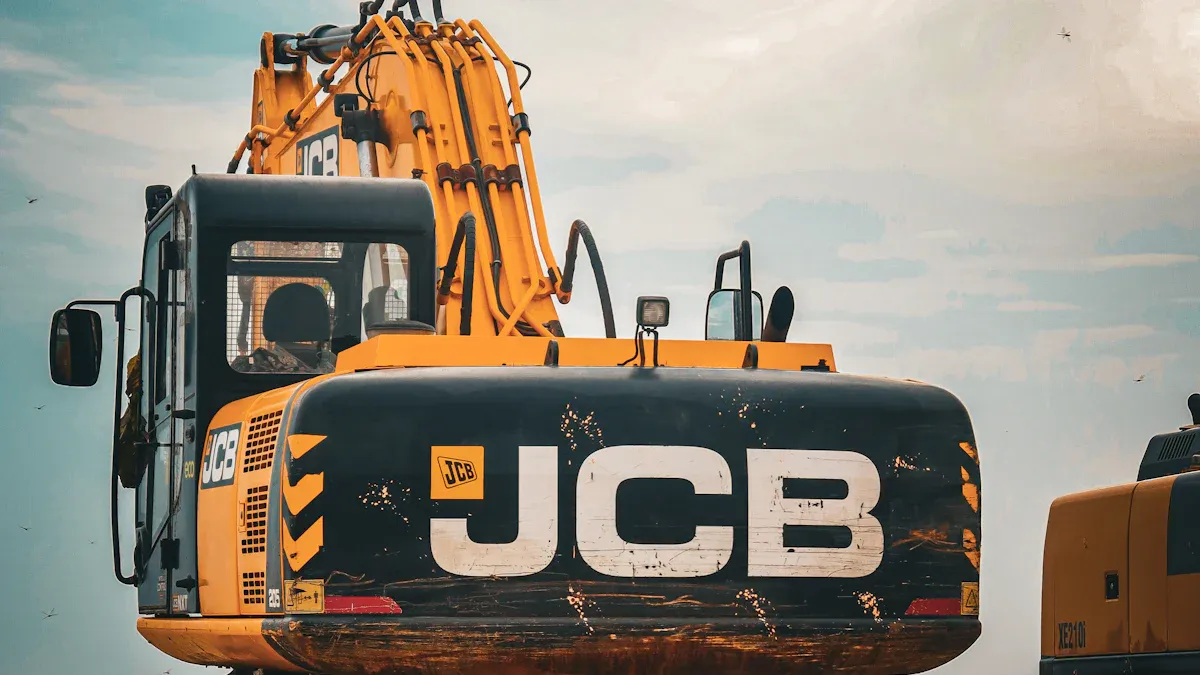
Excavator tracks are continuous belt systems. They allow excavators to move and operate across diverse terrains. These tracks provide essential traction and stability. They also ensure smooth machine movement. For instance, rubber excavator tracks offer distinct advantages. Operators often select excavator rubber tracks for sensitive surfaces.
Key Takeaways
- Excavator tracks have many parts. Each part helps the machine move and stay steady. Knowing these parts helps you take care of your excavator.
- Choose the right track type for your job. Rubber tracks protect soft ground. Steel tracks work best on rough ground. Hybrid tracks offer a mix of both.
- Keep your excavator tracks clean and at the right tension. This makes them last longer. It also stops problems like tracks coming off.
Key Components of Excavator Tracks
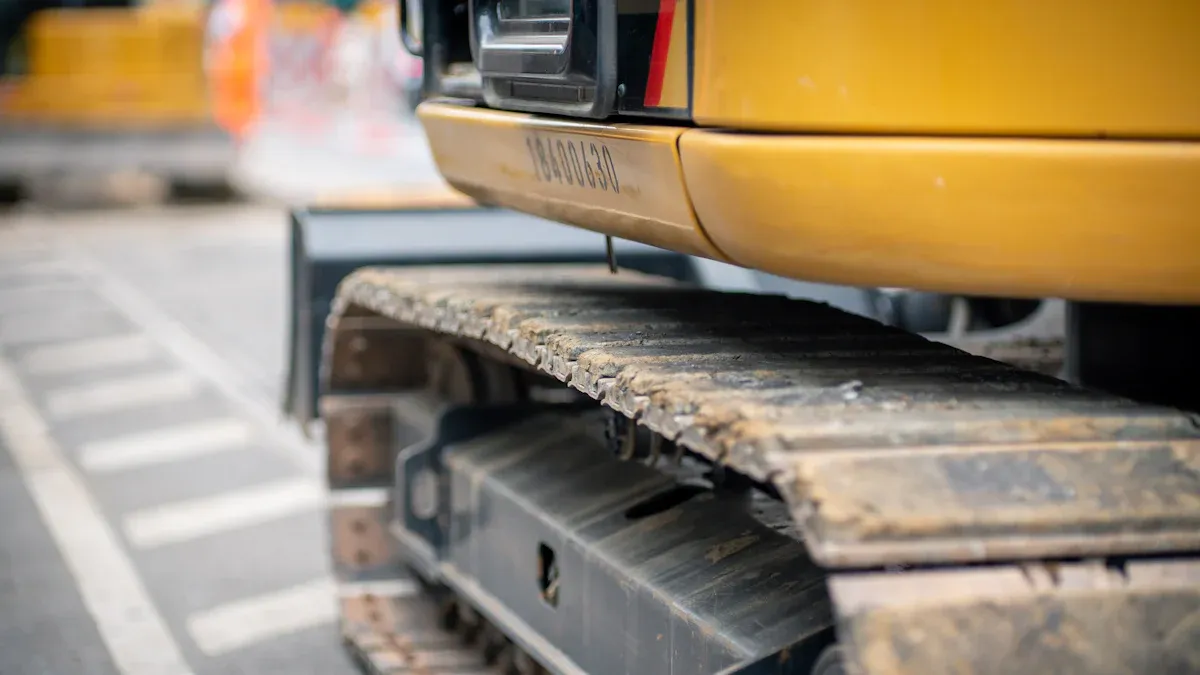
Understanding the individual parts of an excavator’s track system helps operators maintain their machines better. Each component plays a vital role in the excavator’s movement and stability.
Track Chains
Track chains are the foundation of the track system. They act like a flexible backbone. These chains consist of many links joined together. They connect the track shoes, forming a continuous loop. High-strength steel is the common material for these chains. This material ensures durability and resistance to wear. The chains allow the entire track system to flex and move over uneven ground.
Track Shoes
Track shoes are flat plates. They attach directly to the track chains. These shoes make direct contact with the ground. They provide the necessary traction for the excavator to move. They also distribute the machine’s heavy weight over a larger area. This prevents the excavator from sinking into soft ground. Different types of track shoes exist for various terrains:
- Single Grouser Shoes: These have one tall bar (grouser) across the shoe. They offer excellent grip in rocky or hard conditions.
- Triple Grouser Shoes: These have three smaller bars. They are suitable for general construction and softer ground.
- Flat Shoes: These have no grousers. They are ideal for sensitive surfaces like asphalt or concrete.
Drive Sprockets
Drive sprockets are large, toothed wheels. They are located at the rear of the excavator’s undercarriage. The engine’s power goes to these sprockets through the final drive. The sprockets engage with the track chains. Their teeth fit into the chain links. This engagement transfers power, making the track move. The excavator then moves forward or backward.
Idlers
Idlers are smooth, wheel-like components. They sit at the front of the undercarriage. Idlers do not have teeth. They guide the track around the front of the machine. They also help maintain the correct tension in the track. This ensures the track runs smoothly and prevents it from derailing. Idlers also support some of the track’s weight.
Track Rollers
Track rollers are smaller wheels. They are positioned along the bottom of the excavator’s frame. These rollers support the machine’s entire weight. They also guide the track as it moves. This guidance helps the track stay aligned. There are two main types:
- Upper (Carrier) Rollers: These support the top part of the track loop. They prevent it from sagging.
- Lower (Track) Rollers: These support the bottom part of the track. They carry the main weight of the excavator.
Track Adjusters
Track adjusters are mechanisms that control track tension. They typically use a hydraulic cylinder or a spring. Operators use them to tighten or loosen the track. Proper track tension is crucial. Too loose, and the track can derail. Too tight, and it causes excessive wear on components. Adjusters also absorb shocks. This protects the undercarriage from damage when the excavator moves over obstacles. Maintaining correct tension extends the life of all excavator tracks components.
Types of Excavator Tracks and Their Applications
Choosing the right type of excavator tracks is very important. Different job sites need different track types. The correct track improves performance. It also protects the ground. This section explores the main types of tracks. It also helps you choose the best one.
Rubber Tracks
Rubber tracks are popular for many excavators. They consist of strong rubber compounds. These tracks are flexible. They cause less damage to surfaces.
Advantages of rubber tracks:
- They protect sensitive surfaces. This includes asphalt, concrete, and lawns.
- They make less noise. This is good for urban areas.
- They reduce vibration. This makes the ride smoother for the operator.
- They allow faster travel speeds.
Disadvantages of rubber tracks:
- They wear out faster on rough or rocky ground.
- They offer less traction in very muddy or steep conditions.
- They can be more expensive to replace than some steel track parts.
Applications for rubber tracks:
- Landscaping projects.
- Indoor demolition.
- Utility work in residential areas.
- Any job where surface protection is key.
Steel Tracks
Steel tracks are very strong. They are the traditional choice for heavy work. These tracks have metal links and shoes. They provide maximum durability.
Advantages of steel tracks:
- They offer superior traction. This is true in tough conditions like mud, rock, or steep slopes.
- They are extremely durable. They resist punctures and cuts well.
- They handle heavy loads. They are good for large excavators.
Disadvantages of steel tracks:
- They can damage paved surfaces.
- They create more noise.
- They cause more vibration.
- They are heavier. This can increase fuel use.
Applications for steel tracks:
- Mining operations.
- Large-scale construction sites.
- Demolition projects.
- Forestry work.
Hybrid Tracks
Hybrid tracks combine features of both rubber and steel. They often have steel chains with rubber pads. These pads bolt onto the steel shoes.
Advantages of hybrid tracks:
- They offer good versatility. They work on various surfaces.
- They provide better surface protection than full steel tracks.
- They give more traction and durability than full rubber tracks.
Disadvantages of hybrid tracks:
- They can be more complex to maintain.
- They might not excel in extreme conditions for either pure rubber or pure steel.
- The rubber pads can wear out and need replacement.
Applications for hybrid tracks:
- Job sites with mixed terrain.
- Projects that move between paved and unpaved areas.
- Situations needing a balance of traction and surface care.
Track Selection Factors
Choosing the right track type is important. Several factors guide this decision. Consider these points:
- Terrain Type: Is the ground soft, hard, rocky, or sensitive?
- Job Site Conditions: Will the excavator work indoors, in urban areas, or in remote wilderness?
- Machine Size: Larger excavators often need stronger tracks.
- Budget: Consider the initial cost and long-term maintenance.
- Required Traction: How much grip does the job demand?
- Surface Protection: Is it important to avoid damaging the ground?
- Noise and Vibration: Are there limits on noise levels?
- Travel Speed: How fast does the excavator need to move?
Understanding these factors helps you choose the best excavator tracks for your specific needs.
Maintaining and Troubleshooting Excavator Tracks
Proper maintenance of excavator tracks extends their lifespan. It also ensures safe and efficient operation. Operators must regularly inspect and care for these critical components.
Routine Inspection Checklist
Regular checks prevent major problems. Operators should perform these inspections daily or before each shift.
- Visual Check: Look for cracks, chips, or missing parts on track shoes.
- Wear Assessment: Examine track links, rollers, and sprockets for excessive wear.
- Debris Removal: Clear mud, rocks, and other debris from the undercarriage.
- Leak Detection: Check for oil leaks around track adjusters or final drives.
- Tension Check: Verify that track tension appears correct.
Track Tension Adjustment
Correct track tension is vital. Too loose, and tracks can derail. Too tight, and it causes rapid wear on components. Operators adjust tension using the track adjuster. They typically add or release grease to achieve the correct slack. Refer to the excavator’s manual for specific tension guidelines.
Cleaning and Lubrication
Cleaning prevents premature wear. Mud and debris can pack into the undercarriage. This increases friction and wear on moving parts. Operators should regularly clean the tracks. Lubrication is also important. Grease points on idlers and rollers reduce friction. This extends component life.
Common Track Problems
Several issues can affect excavator tracks.
- Excessive Wear: This often comes from improper tension or abrasive conditions.
- Derailment: Loose tracks or damaged components can cause this.
- Cracked Shoes: Impact or fatigue can lead to shoe damage.
- Worn Sprockets: These lose their teeth shape, causing poor chain engagement.
Troubleshooting Guide
When problems arise, operators should follow a systematic approach.
- Identify the Symptom: What is the machine doing or sounding like?
- Inspect the Area: Visually check the affected track components.
- Consult the Manual: The operator’s manual offers specific troubleshooting steps.
- Address the Root Cause: Fix the underlying issue, not just the symptom. For example, adjust tension for a loose track.
Understanding excavator tracks is crucial. It maximizes machine efficiency. It also extends equipment lifespan. Proper track knowledge empowers operators. They make informed decisions. This ensures safe and productive operations. Investing in regular maintenance and timely troubleshooting of excavator tracks prevents costly downtime. It enhances overall performance.
FAQ
How long do excavator tracks typically last?
Track lifespan varies. It depends on usage, terrain, and maintenance. Proper care significantly extends track life.
When should an operator choose rubber tracks over steel tracks?
Operators choose rubber tracks for sensitive surfaces. They also use them for noise reduction and faster travel. Steel tracks are for rough, demanding terrain.
Why is correct track tension important for excavators?
Correct tension prevents track derailment. It also reduces wear on components. Improper tension causes costly damage and downtime.

Post time: Oct-24-2025