
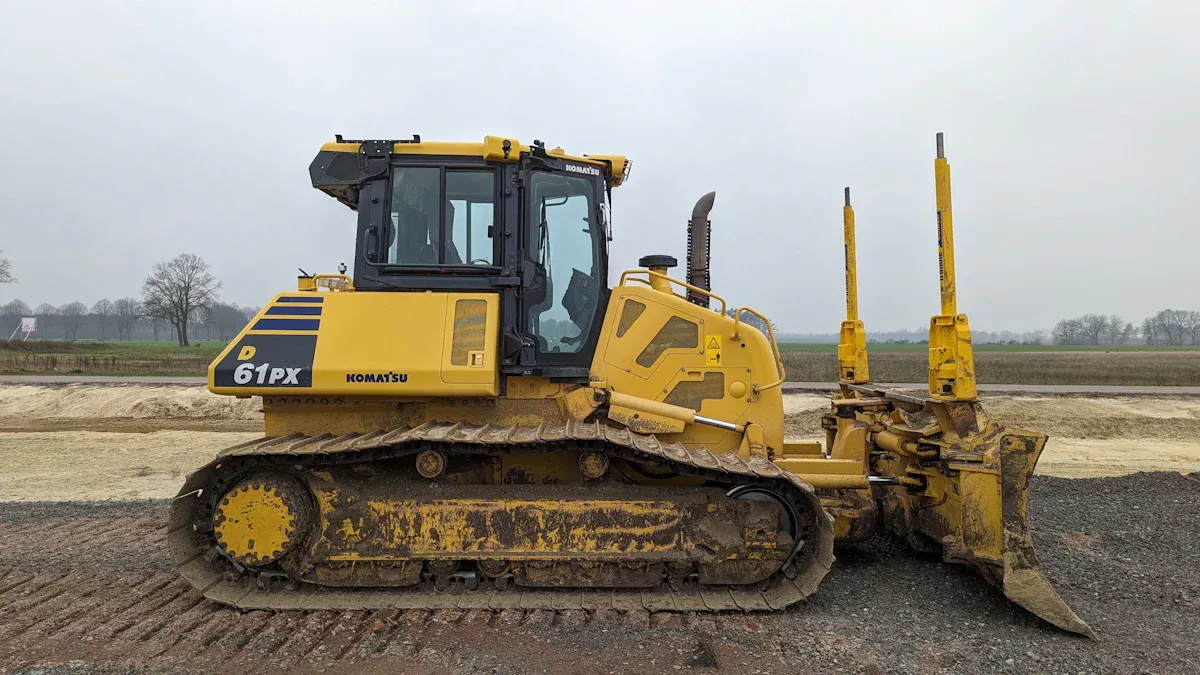
Skid steer loader tracks can last between 1,200 to 2,000 operating hours under normal conditions. However, poor maintenance practices can significantly shorten their lifespan. Regular checks on tension and cleaning can extend the life of these tracks, adding hundreds of hours to their usability. Understanding the causes of deterioration helps in maintaining optimal performance.
Key Takeaways
- Regular maintenance is crucial. Perform checks every 250 to 500 hours to ensure optimal performance and longevity.
- Proper track tension is essential. Maintain a drop of 1 to 2 inches between the track and the bottom roller to prevent wear and derailment.
- Environmental contaminants can damage tracks. Clean the undercarriage daily to remove mud, gravel, and chemicals that can lead to deterioration.
Inadequate Maintenance
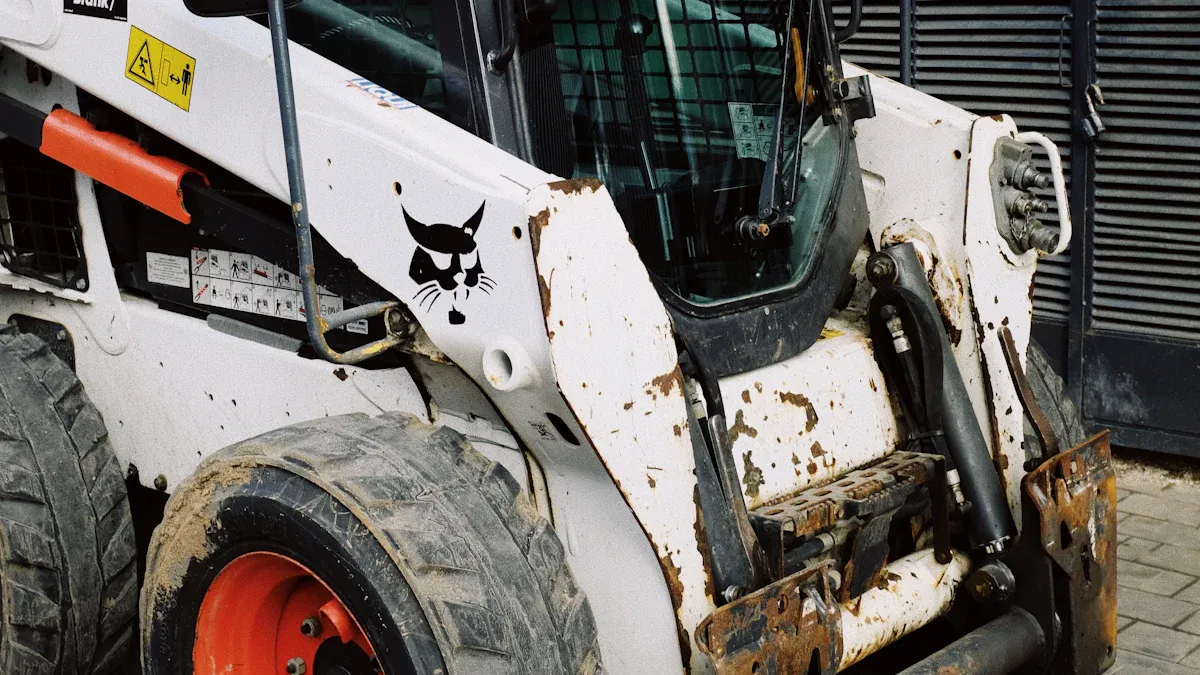
Inadequate maintenance significantly contributes to the deterioration of skid steer loader tracks. Regular upkeep is essential for ensuring the longevity and performance of these tracks. Many operators overlook basic maintenance tasks, leading to costly repairs and replacements.
Common maintenance mistakes include:
- Driving at high speeds or making quick turns on rough terrain.
- Failing to conduct regular inspections and not repairing cuts on the tracks promptly.
- Neglecting proper track tension, which can cause track derailment and equipment breakdown.
Manufacturers recommend performing maintenance checks every 250 to 500 hours of use. This routine should include:
- Changing engine oil, V-belts, and all filters (hydraulic, fuel, air).
- Regularly checking fluid levels in axles and planetary drive systems.
- Conducting visual inspections of hoses, steering components, and fastening hardware.
For those operating in corrosive conditions, cleaning the undercarriage daily is crucial. This practice helps eliminate harmful materials that can lead to rust. Proper track tension is vital for the health of skid steer loader tracks. Tracks that are too loose can cause instability, while overly tight tracks can accelerate wear on sprockets and rollers.
By prioritizing maintenance, operators can extend the life of their skid steer loader tracks and improve overall equipment performance.
Improper Tension
Improper tension on skid steer loader tracks can lead to significant issues. Both loose and tight tracks can cause problems that affect performance and safety.
When tracks are too loose, they can derail easily. This situation increases the risk of bent or damaged guides. Loose tracks may also get caught on the machine frame, leading to further damage. Operators often face increased downtime due to frequent track issues.
On the other hand, tight tracks create their own set of challenges. They require more torque from the hydraulic drive motor. This extra strain leads to higher fuel consumption. Additionally, tight tracks can heat hydraulic fluid quickly, causing premature wear on the machine. The increased tensile load on the track also accelerates wear, shortening its lifespan.
To avoid these problems, operators should maintain the ideal tension for skid steer loader tracks. Leading equipment manufacturers recommend a drop of 1 to 2 inches between the track and the bottom roller when the machine is lifted. This tension helps prevent excessive wear on the rollers and drive motor if the tracks are too tight. It also avoids derailment if the tracks are too loose.
By ensuring proper tension, operators can enhance the performance and longevity of their skid steer loader tracks.
Environmental Contaminants
Environmental contaminants play a significant role in the deterioration of skid steer loader tracks. Operators often encounter various harmful materials during their work. These materials can lead to serious damage if not addressed promptly.
Common contaminants include:
- Mud: This can trap debris and sharp objects that slice through the rubber of the tracks.
- Gravel: Small stones can become lodged in the track system, causing wear and tear over time.
- Chemicals: Substances like salt, oil, and other corrosive materials can break down the rubber, leading to premature failure.
These contaminants not only affect the outer layer of the tracks but also compromise the internal steel cords. When these cords become exposed to harmful substances, they can weaken, resulting in reduced performance and increased risk of failure.
To protect skid steer loader tracks, operators should regularly clean the undercarriage and inspect for debris. Removing contaminants promptly can help maintain the integrity of the tracks. Additionally, using protective coatings can shield the rubber from corrosive elements.
By being proactive about environmental factors, operators can significantly extend the life of their skid steer loader tracks and ensure optimal performance.
Operational Errors
Operational errors can significantly impact the lifespan of skid steer loader tracks. Many operators unknowingly engage in practices that accelerate wear and tear. Understanding these errors can help improve track longevity and performance.
Common operational errors include:
- Aggressive driving habits: Sharp turns and sudden stops can lead to increased wear on skid steer loader tracks. Operators should focus on gentle driving techniques to extend track life.
- Excessive counter-rotation: This maneuver can cause rapid wear and increase the risk of de-tracking. Operators should avoid this practice to maintain track integrity.
- Improper track tension: Tracks that are not properly tensioned can lead to instability and increased wear. Ensuring the correct tension is crucial for optimal performance.
- Making sharp turns: Sharp turns can adversely affect the service life of the tracks over time. Operators should make wider turns to reduce the risk of accelerated wear and de-tracking.
By addressing these operational errors, operators can enhance the performance of their skid steer loader tracks. Proper training can instill gentle driving habits, which are essential for extending track life.
Operators should prioritize safe and efficient driving practices to ensure the longevity of their equipment.
Wear and Tear from Usage
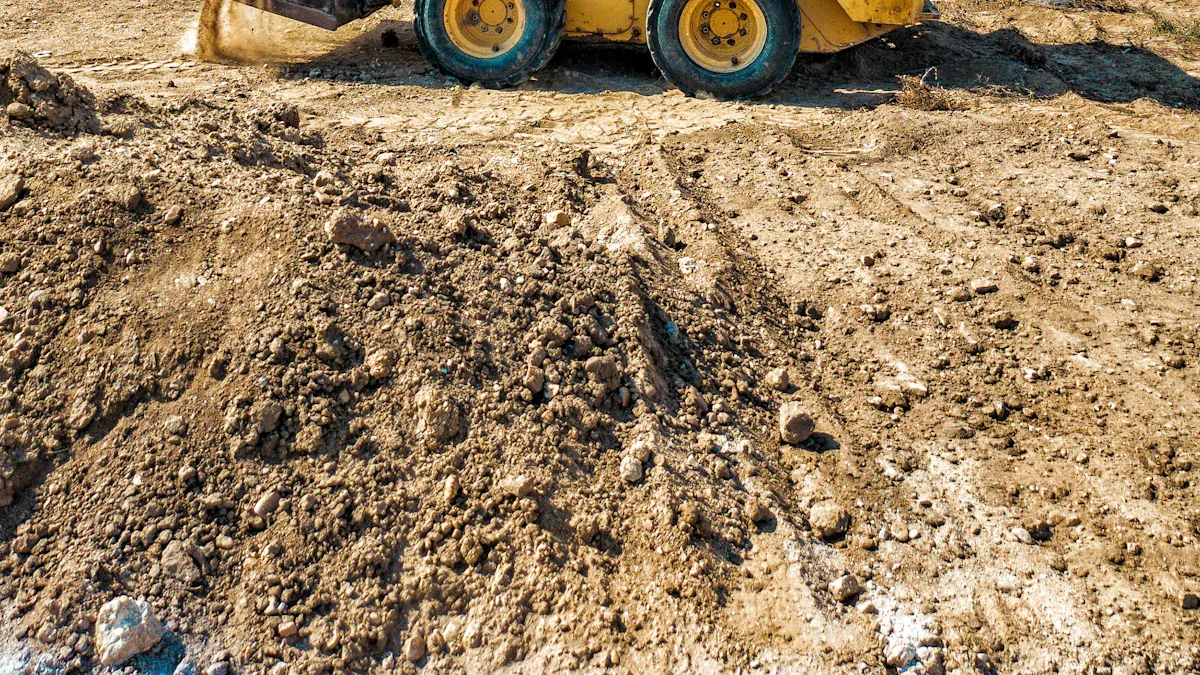
Wear and tear from usage is an inevitable aspect of operating skid steer loader tracks. Over time, these tracks experience degradation due to various factors related to their working environment and operational demands.
Different terrains can significantly influence the rate of wear and tear. For instance:
- Abrasive Surfaces: These surfaces cause rapid wear on track links, bushings, and pins. The constant contact with abrasive particles accelerates the deterioration process.
- Rocky Terrain: Rocks can act as projectiles, leading to scratches and dents on tracks and rollers. This structural damage can compromise the integrity of the tracks.
- Muddy Ground: Mud accumulation can hold moisture against metal surfaces, resulting in pin and bushing wear. This moisture can also lead to rust and poor track alignment.
Operators should be aware that the type of work performed also contributes to wear and tear. Heavy lifting, frequent turns, and aggressive driving can all exacerbate the deterioration of tracks.
To mitigate wear and tear, operators should adopt best practices. Regular inspections can help identify early signs of damage. Additionally, using tracks made from specially formulated rubber compounds can enhance durability. These tracks resist cutting and tearing, providing better performance in challenging conditions.
By understanding the factors that contribute to wear and tear, operators can take proactive measures to extend the life of their skid steer loader tracks.
Proper maintenance and correct operational practices are essential for extending the life of skid steer loader tracks. Operators should:
- Regularly clean tracks to remove debris like rocks and mud.
- Inspect tracks for cuts and excessive wear.
- Lubricate rollers and idlers to reduce friction.
- Adjust track tension according to manufacturer specifications.
Awareness of environmental factors also plays a crucial role in track longevity. By following these guidelines, operators can enhance performance and reduce long-term costs.
FAQ
What is the average lifespan of skid steer tracks?
Skid steer tracks typically last between 1,200 to 2,000 operating hours under normal conditions.
How can I extend the life of my skid steer tracks?
Regular maintenance, proper tension, and cleaning can significantly extend the life of skid steer tracks.
What should I do if my tracks are damaged?
Inspect the tracks immediately. Repair cuts or replace them if necessary to prevent further damage.

Post time: Sep-08-2025