
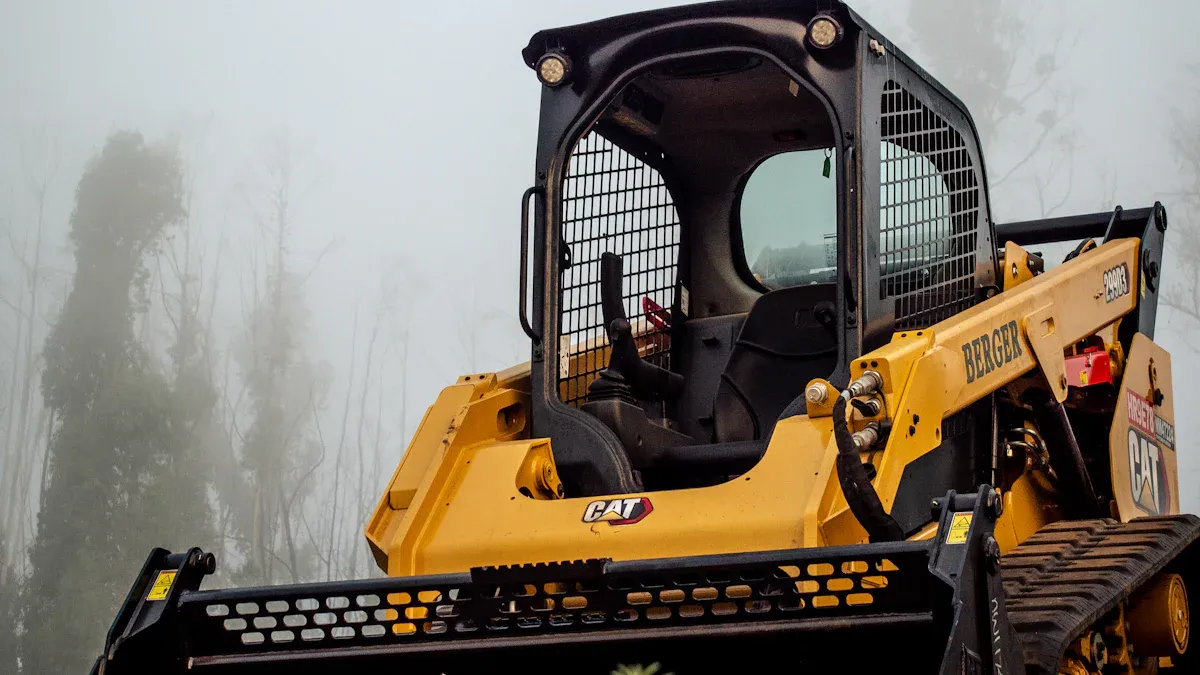
Track Loader Rubber Tracks often last between 1,200 and 2,000 hours with careful maintenance. Operators who check track tension, clean off debris, and avoid rough terrain help extend service life. High-quality materials and smart use reduce downtime and lower replacement costs for these essential machine parts.
Key Takeaways
- Choose high-quality rubber tracks with strong steel reinforcements and advanced materials to resist wear and handle tough conditions.
- Match the tread pattern and track size to the terrain and loader specifications to reduce wear and improve safety.
- Maintain tracks regularly by cleaning debris, checking tension often, and inspecting for damage to extend track life and avoid costly repairs.
Track Loader Rubber Tracks Material Quality
Advanced Rubber Compounds
Material quality plays a key role in how long Track Loader Rubber Tracks last. Manufacturers use advanced rubber compounds that combine natural and synthetic rubbers. These blends give the tracks better resistance to tearing, cutting, and abrasion. Special additives help the rubber stay flexible and strong in extreme temperatures, from freezing cold to intense heat. Some tracks use high-modulus rubber blends that keep their shape and elasticity even after many hours of use. This means the tracks can handle rough terrain and heavy loads without wearing out quickly.
Steel Chain Links and Reinforcement
Steel chain links and reinforcements add strength and stability to the tracks.
- Steel cords inside the rubber prevent the tracks from stretching too much.
- Jointless cables spread stress evenly, which helps avoid weak spots.
- The steel parts get coated to stop rust, making the tracks last longer in wet or muddy conditions.
- Drop-forged steel inserts resist bending and breaking, keeping the tracks in good shape.
- Proper placement of steel cords and reinforcements helps the tracks absorb shocks and stay flexible.
Our tracks use all-steel chain links and a unique bonding process to ensure a strong, reliable connection between the steel and rubber.
Manufacturing and Bonding Techniques
Modern manufacturing uses precise methods to make sure each track is strong and durable.
- Vulcanization bonds the rubber and steel tightly, so the links stay in place.
- Automated processes create even tread patterns, which helps the tracks wear evenly.
- Thicker rubber layers protect against cuts and damage from rocks or debris.
- Textile wrapping between steel parts keeps everything aligned and reduces the chance of snapping.
These techniques, along with high-quality materials, help Track Loader Rubber Tracks deliver stable performance and a longer service life.
Track Loader Rubber Tracks Tread Pattern Selection
Matching Tread to Terrain and Application
Choosing the right tread pattern helps Track Loader Rubber Tracks last longer. Operators must look at the terrain and the job before picking a tread.
- Aggressive tread patterns, like Z-pattern or bar tread, work best in muddy or soft soil. These patterns give strong traction but wear out faster on hard surfaces.
- Less aggressive or smoother tread patterns, such as C-pattern or block tread, protect delicate ground and last longer on hard surfaces. These patterns do not grip as well in mud but keep the ground safe from damage.
- Multi-Bar Lug designs suit turf and landscaping jobs. They prevent ground damage and work well on golf courses or lawns.
- Picking the right tread for the terrain reduces wear, keeps workers safe, and helps rubber tracks last longer.
Tip: Operators should always match the tread pattern to the job site. This simple step saves money and keeps machines running smoothly.
Block, C-Pattern, and Zig-Zag Designs
Each tread design has special strengths. The table below shows how block, C-pattern, and zig-zag treads perform in different environments.
| Tread Pattern | Advantages | Suitable Working Environments |
|---|---|---|
| Block Pattern | Durable, heavy-duty, balanced traction and durability | Forestry, demolition, mixed terrains (dirt, gravel, asphalt, grass) |
| C-Pattern (C-Lug) | Excellent traction and flotation, reduces ground damage, smoother ride | Soft, muddy, wet terrains, lawns, gardens, agricultural fields |
| Zig-Zag Pattern | Good traction on ice, snow, mud; self-cleaning design; stable | Grading, construction sites, dirt, mud, snow, gravel |
- Block tracks use large rectangular blocks. They last a long time and work well for tough jobs like forestry or demolition.
- C-Lug tracks have C-shaped lugs. These tracks grip soft ground and protect lawns or gardens from damage.
- Zig-Zag tracks use a chevron or Z-pattern. They clean themselves and grip ice, snow, and mud. These tracks help in grading and construction on firm ground.
Operators should study the job site and pick the tread that fits best. This choice keeps Track Loader Rubber Tracks working longer and saves on repairs.
Track Loader Rubber Tracks Sizing and Fit
Importance of Track Width and Length
Correct sizing plays a major role in the performance and lifespan of Track Loader Rubber Tracks. Using tracks that are too wide increases the load on key components like links, idlers, rollers, and sprockets. This extra stress causes faster wear and shortens the track’s service life. Tracks that are too narrow may not provide enough stability or traction, especially on soft or uneven ground.
Track length matters as well. The number of links must match the machine’s requirements. Too many or too few links create improper tension. Improper tension leads to excessive wear, higher fuel use, and even safety risks. Tracks that are too tight put stress on the steel cords inside, while loose tracks can derail or slip. Operators should always check that both width and length match the original equipment specifications to ensure the best results.
Alignment with Loader Specifications
Proper alignment with loader specifications ensures safe and efficient operation. Operators should follow these guidelines:
- Select tracks based on the main job and terrain, such as mud, turf, or rocky ground.
- Match track width and length to the loader’s requirements for stability and weight distribution.
- Choose tread patterns that fit the work environment.
- Inspect and maintain track tension regularly, ideally every 10 hours.
- Clean the undercarriage and tracks to prevent debris buildup.
- Before installing new tracks, check rollers, sprockets, and the frame for wear or damage.
- Install tracks carefully, making sure they align with the loader’s grooves.
Note: Proper sizing and alignment reduce wear, improve safety, and help Track Loader Rubber Tracks last longer.
Track Loader Rubber Tracks Maintenance Practices
Cleaning and Debris Removal
Regular cleaning keeps Track Loader Rubber Tracks flexible and strong. Operators should inspect the tracks daily for mud, clay, gravel, or sharp rocks. Removing packed debris from the roller frames and undercarriage prevents abnormal wear. Cleaning the bottom rollers and idlers each day helps extend the life of these parts. Manual removal works best, as harsh tools can damage the rubber. This routine keeps the tracks from stiffening and slipping off the rollers, which reduces the risk of early wear and costly repairs.
Tip: Daily cleaning is usually enough, but muddy or rocky job sites may require more frequent attention.
Track Tension Adjustment
Proper track tension is critical for safe operation and long service life. Operators should check tension every 50 to 100 hours, following the machine’s guidelines. If the tracks often lose tension, checks should happen more often. Running tracks too tight causes early wear and can damage bearings. Loose tracks may derail, creating safety hazards. It is better to run tracks slightly loose within the recommended range than too tight.
- Check tension every 50–100 hours.
- Adjust more often if tension changes quickly.
- Avoid over-tensioning or under-tensioning.
Routine Inspection for Wear
Routine inspections help spot problems before they become serious. Operators should look for cracks, missing lugs, or exposed cords on the track surface. Worn-out sprockets with hooked or pointed teeth can cause skipping or derailing. Measuring tread depth is important; new tracks have about one inch of tread, and worn treads reduce traction and stability. Checking for proper tension and replacing worn parts, like drive wheels or sprocket sleeves, keeps the machine running safely and efficiently.
Note: Frequent and careful maintenance can extend track life from 2,000 up to 5,000 hours, saving time and money.
Track Loader Rubber Tracks Usage and Operating Conditions
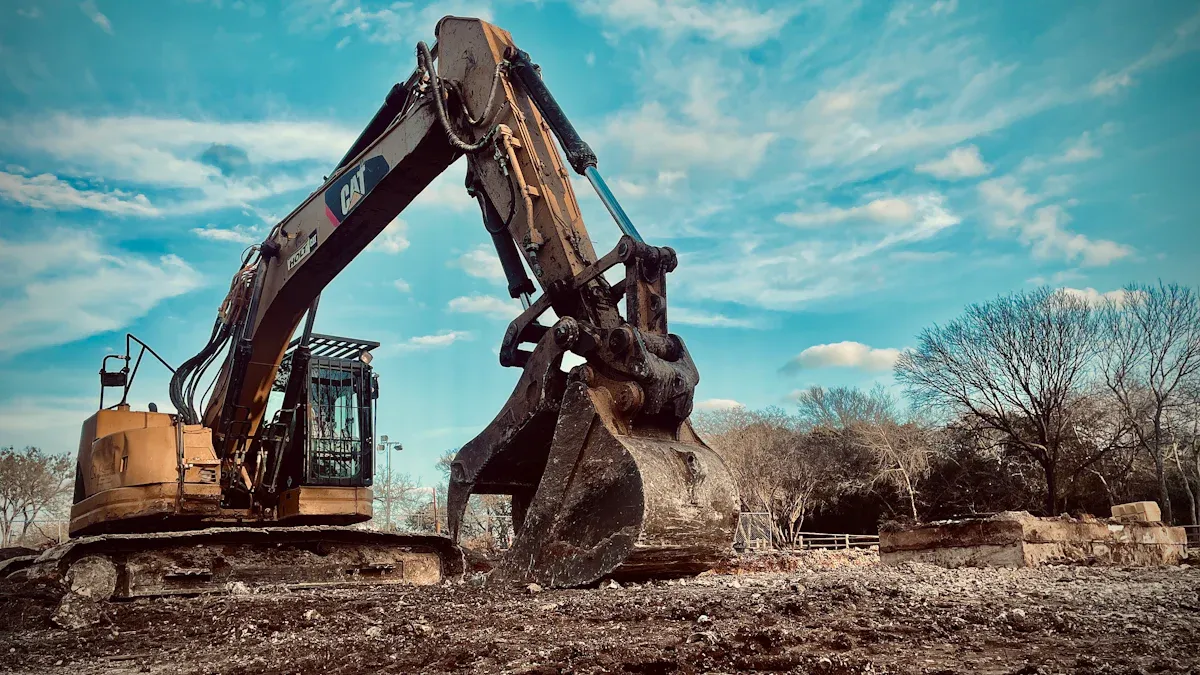
Adapting to Terrain and Weather
Operators face many challenges when using track loaders in different environments. Terrain and weather can change quickly, so adjusting operating habits is important.
- Rocky and muddy ground causes more wear than flat, stable surfaces.
- Sand grinds against the tracks, while mud increases friction and buildup.
- Winter brings cold temperatures that make rubber contract and loosen track tension. Ice and snow can freeze onto the tracks, causing cracks or tears if not cleaned.
- Hard, snow-free surfaces in winter speed up wear because of abrasive conditions.
- High-quality rubber compounds resist damage from UV rays and extreme temperatures, helping Track Loader Rubber Tracks stay strong in harsh environments.
Operators should check track tension often, especially when weather changes. Cleaning tracks after working in snow or mud prevents ice buildup and damage. Storing tracks in a cool, dry place keeps them flexible and ready for use.
Avoiding Overloading and Sharp Movements
Driving habits affect track life as much as terrain.
- Operators should avoid overloading the machine, which puts extra stress on the tracks and undercarriage.
- Sharp turns, high speeds, and sudden stops increase wear and risk of derailment.
- Slow movements and wide turns help reduce stress.
- Three-point turns work better than spinning in place, which can tear the rubber.
- Limiting reverse driving, especially with non-directional tracks, prevents premature sprocket wear.
- Regular training teaches operators how to handle different conditions and avoid aggressive driving.
Routine cleaning and inspection keep tracks in good shape. Well-trained operators and careful driving habits help Track Loader Rubber Tracks last longer, saving time and money.
Expert Advice for Track Loader Rubber Tracks Longevity
Professional Inspection and Service
Experts recommend regular inspection and service to keep Track Loader Rubber Tracks in top condition. Operators should check the tracks every day for visible damage, such as cracks, cuts, or exposed wires. Removing debris and rinsing the tracks and undercarriage helps prevent early wear. Weekly, operators should measure tread wear and inspect parts like rollers, drive sprockets, and idler arms. Replacing worn parts keeps the machine running smoothly. Each month, a more detailed inspection is needed. This includes adjusting track tension and cleaning the tracks and undercarriage with tools like a pressure washer. The table below shows a simple schedule for inspections:
| Inspection Interval | Tasks to Perform |
|---|---|
| Daily | Check for damage, remove debris, rinse tracks and undercarriage |
| Weekly | Measure tread wear, inspect undercarriage parts, replace worn components |
| Monthly | Full inspection, adjust tension, deep clean tracks and undercarriage |
Following this schedule helps prevent costly repairs and extends the life of the tracks.
Knowing When to Replace Tracks
Operators need to know the signs that show when it is time to replace rubber tracks. These signs include:
- Cracks or cuts on the rubber surface.
- Worn tread patterns that reduce traction.
- Exposed or damaged internal cords.
- Layers of the track separating or peeling.
- Damage to sprockets or undercarriage parts caused by worn tracks.
- Loss of track tension that needs frequent adjustment.
- Reduced machine performance, such as slower speeds or trouble turning.
When these problems appear, replacing the tracks keeps the machine safe and efficient. Regular checks and timely replacement help operators get the most out of their Track Loader Rubber Tracks.
Companies that choose high-quality Track Loader Rubber Tracks and follow regular maintenance routines see longer track life and fewer breakdowns. Proactive care reduces downtime by up to 50% and cuts costs. Upgrading to premium tracks improves return on investment and keeps machines working efficiently.
FAQ
How often should operators check track tension?
Operators should check track tension every 50 to 100 hours. More frequent checks help when working in rough or changing conditions.
Tip: Regular checks prevent early wear and keep machines safe.
What signs show that rubber tracks need replacing?
- Cracks or cuts on the surface
- Worn tread patterns
- Exposed cords
- Trouble keeping tension
Operators should replace tracks when these signs appear.
Can cleaning tracks really make them last longer?
Yes. Cleaning removes debris that can cause damage. Clean tracks stay flexible and strong, which helps them last much longer.

Post time: Aug-18-2025