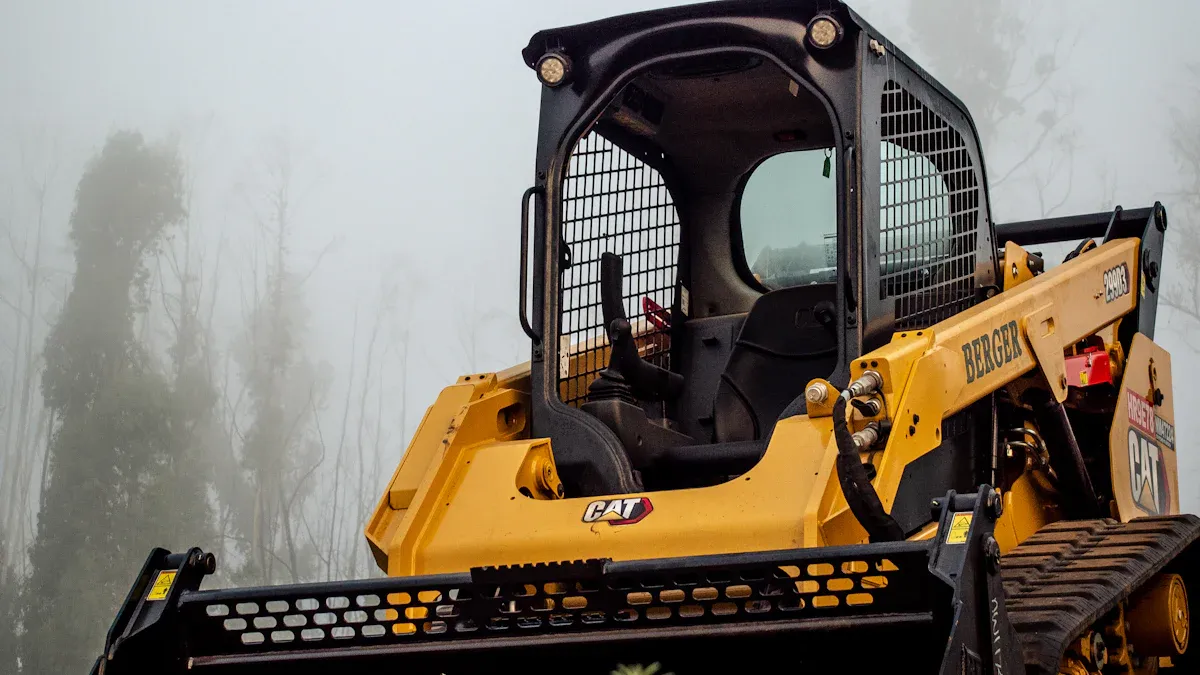
I understand the importance of selecting the correct ASV rubber track size for your RC, PT, or RT series machine. This choice is crucial for ensuring optimal performance and extending machine longevity. Your specific ASV model, track width, and lug pattern requirements collectively determine the precise size you need for your ASV Rubber Tracks.
Key Takeaways
- Always know your ASV machine’s model number. This helps you find the right track size.
- Measure your old track carefully. Check its width, pitch, and how many links it has.
- Pick the right track pattern for your work. This helps your machine grip better and save fuel.
Understanding ASV Track Series: RC, PT, and RT
Overview of Each ASV Series
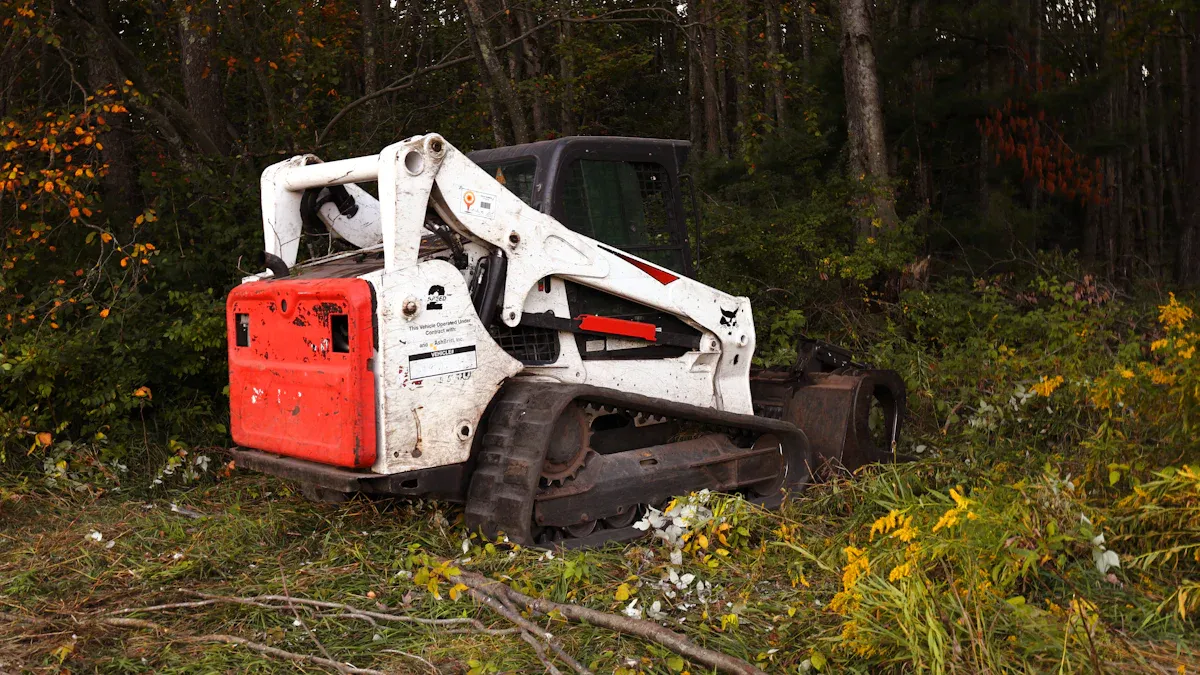
I recognize ASV compact track loaders fall into distinct series: RC, PT, and RT. Each series represents a specific evolution in design and capability. The RC series machines are often earlier models. They typically feature a radial lift path, making them excellent for digging and pushing applications. The PT series (Prowler Track) machines, while also older, often boast a more robust, heavy-duty undercarriage. They usually employ a parallel lift path, which I find ideal for loading and material handling. Finally, the RT series represents the newer generation. These machines offer both radial and vertical lift options. Their undercarriages are generally more advanced, designed for improved ride quality, enhanced durability, and greater efficiency.
Why Series Distinction Matters for ASV Rubber Track Sizing
I find understanding these series distinctions absolutely crucial for correct ASV rubber track sizing. Each series often features a unique undercarriage design. This means the internal structure and dimensions of the track must precisely match the machine’s specific roller configuration and frame. For example, the number of rollers and their spacing can vary significantly between an RC and an RT model, directly impacting the required track pitch and overall length. Furthermore, track widths and even lug patterns might be optimized for a particular series’ intended applications. I must ensure the replacement ASV Rubber Tracks align perfectly with the machine’s original design specifications to guarantee optimal performance and prevent premature wear.
ASV Rubber Tracks: Understanding Specifications and Terminology
When I look at ASV rubber tracks, I see several key specifications. These details help me understand how a track performs and if it fits a machine. Knowing this terminology is essential for making the right choice.
Track Width Explained
Track width is a straightforward measurement. I measure it from one edge of the track to the other. This dimension directly impacts flotation and ground pressure. A wider track spreads the machine’s weight over a larger area. This reduces ground pressure. It helps the machine float better on soft terrain. A narrower track offers more maneuverability in tight spaces. It can also provide higher ground pressure for better digging force.
Track Pitch and Link Count
Track pitch refers to the distance between the centers of two consecutive drive lugs on the track’s inner surface. I find this measurement crucial. It must match the spacing of the drive sprockets on your ASV machine. The link count is simply the total number of these drive lugs or links around the entire track. Together, pitch and link count determine the overall length of the track. An incorrect pitch causes poor engagement with the sprocket. This leads to premature wear and potential track derailment.
Lug Pattern and Tread Design
The lug pattern, or tread design, is what gives the track its grip. I know different patterns excel in different conditions.
| Lug Pattern | Suitable Terrain | Traction Characteristics |
|---|---|---|
| C-Lug (Block Lug) | General purpose, hard surfaces, asphalt, concrete, turf, sand, clay, loose dirt, gravel, snow | Provides good traction and flotation, minimizes ground disturbance, good for general use and sensitive surfaces. |
| Bar Lug (Straight Bar) | Soft, muddy, and loose conditions, dirt, mud, snow | Excellent traction in challenging conditions, good for digging and pushing, but can be aggressive on hard surfaces. |
| Multi-Bar Lug (Zigzag/Wave Lug) | Mixed conditions, general purpose, dirt, mud, gravel, snow | Offers a balance of traction and flotation, good for varied terrain, less aggressive than bar lugs but more traction than C-lugs. |
| Turf Lug | Sensitive surfaces, finished lawns, golf courses, landscaping | Minimizes ground disturbance and compaction, provides good flotation, but limited traction in slippery conditions. |
| Directional Lug | Slopes, uneven terrain, specific applications requiring enhanced grip in one direction | Designed for specific directional traction, can improve stability on inclines, but may wear unevenly if used in reverse frequently. |
| Aggressive Lug | Extreme conditions, demolition, forestry, heavy excavation | Maximum traction and digging power, highly durable, but can be very damaging to hard or sensitive surfaces. |
| Smooth Track | Very sensitive surfaces, finished concrete, asphalt, indoor use | Provides minimal ground disturbance, good for delicate surfaces, but offers very little traction in loose or wet conditions. |
| Hybrid Lug | Varied conditions, general purpose, combines features of different patterns | A versatile option, designed to offer a balance of traction, flotation, and reduced ground disturbance across a range of applications. |
I always consider the primary application of my machine when selecting a lug pattern for ASV Rubber Tracks.
Undercarriage Type and Roller Count
The undercarriage is the foundation of the track system. ASV compact track loaders use an open-design undercarriage. This design is self-cleaning. It extends component service life by up to 50%. Other manufacturers often use steel-embedded undercarriages. ASV builds tracks with fiber-reinforced industrial rubber compounds. They use heavy-duty polyurethane and rubber for wheels. This offers superior flotation and durability. ASV also includes track lugs on both inner and outer edges of bogie wheels. This prevents derailment. ASV compact track loaders use internal drive sprockets. These sprockets have replaceable steel rollers. They interact with molded rubber lugs. This avoids direct wear between rollers and track lugs. ASV’s undercarriage machines also feature significantly more ground contact points. This is due to their all-rubber tracks. It enhances flotation in soft conditions.
I have seen how the number of rollers impacts performance. More rollers generally mean better ride quality and reduced wear.
| Feature | Machine 1 (11 wheels) | Machine 2 (12 wheels) |
|---|---|---|
| Track Type | Steel-embedded with inner edge lugs | All-rubber with inner and outer edge lugs |
| Tensioner Type | Grease spring tensioner | Screw-style tensioner |
| Wheels per Track | 11 | 12 |
| Tensioning Required | 3 times within 500 hours | None after 1,000+ hours |
| Derailment | Yes, required reinstallation within 500 hours | No derailment after 1,000+ hours |
I notice that a machine with more wheels, like 12, often requires less tensioning and experiences fewer derailments. This shows the benefit of a well-designed undercarriage with an optimal roller count.
Key Factors for Correct ASV Rubber Track Sizing
I know that getting the right size for your ASV rubber tracks is not just about finding a track; it is about finding the perfect track. This ensures your machine performs at its best. It also helps your tracks last longer. I always focus on a few key factors to get this right.
Identifying Your ASV Machine Model Number
This is the first and most important step. I always start by identifying the exact model number of my ASV machine. This number is like a blueprint. It tells me everything about the machine’s specifications. You can usually find this information on a data plate. This plate is often located on the machine’s frame. It might be near the operator’s station or on the engine compartment. If I cannot find the plate, I check the owner’s manual. The model number dictates the original track specifications. These include width, pitch, and even the recommended lug pattern. Without this, I am just guessing.
Measuring ASV Rubber Track Width
Once I know the model, I confirm the track width. I measure the width of the existing track. I do this from one outer edge to the other. This measurement is crucial. It affects the machine’s stability and flotation. A wider track spreads the machine’s weight over a larger area. This reduces ground pressure. It helps the machine work better on soft ground. A narrower track gives me more maneuverability. This is useful in tight spaces. I always use a stiff tape measure for accuracy. I measure the actual track. I do not rely on old notes or memory alone.
Determining ASV Rubber Track Pitch and Length
I find determining the track pitch and overall length critical. The pitch is the distance between the centers of two consecutive drive lugs. These lugs are the raised sections on the inside of the track. The machine’s sprocket teeth engage with them. I follow a precise methodology for this measurement:
- Identify Drive Lugs: I locate the raised sections on the track’s inner surface. These are small, rectangular blocks.
- Clean the Track: I remove any dirt or debris from the drive lugs. This ensures an accurate measurement.
- Locate Two Adjacent Lugs: I select two drive lugs that are next to each other.
- Find the Center of the First Lug: I precisely identify the center of the first lug.
- Measure Center-to-Center: I place a stiff measuring tool at the center of the first lug. I extend it to the center of the very next lug.
- Record Measurement: I note the distance. This represents the pitch measurement, typically in millimeters.
- Repeat for Accuracy: I take multiple readings. I measure between different pairs of lugs. I do this in various spots along the track. This gives me a more accurate average.
For best practices, I always:
- Use a stiff measuring tool. A rigid ruler or tape gives more precise readings.
- Measure center-to-center. I always measure from the center of one lug to the center of the adjacent lug. I avoid edge-to-edge measurements.
- Take multiple readings. I measure at least three different sections. I calculate the average. This accounts for wear or inconsistencies.
- Ensure the track is flat. I lay the track as flat as possible. This prevents stretching or compressing. These can affect the measurement.
- Record findings immediately. I write down measurements to avoid forgetting them.
After I determine the pitch, I count the total number of drive lugs. This is the link count. The pitch multiplied by the link count gives me the track’s overall length. An incorrect pitch causes poor engagement with the sprocket. This leads to premature wear. It can also cause track derailment.
Selecting the Right Lug Pattern for ASV Rubber Tracks
The lug pattern, or tread design, is vital for performance. I choose this based on the machine’s primary application. Different patterns offer different levels of grip and flotation. I consider the terrain where I will operate the machine most often. For example, a C-Lug works well on general surfaces. A Bar Lug excels in mud.
I also know that the right lug pattern can significantly impact efficiency. Special tread patterns give better grip on all types of ground. This helps machines use less power. This directly translates to fuel savings.
| Metric | ASV Tracks (Innovation Impact) |
|---|---|
| Fuel Consumption | 8% reduction |
I have seen how choosing the correct pattern for ASV Rubber Tracks can lead to an 8% reduction in fuel consumption. This is a significant saving over time. It also means the machine works more efficiently.
Step-by-Step Guide: How to Measure Your ASV Rubber Tracks
I know that accurately measuring your ASV rubber tracks is a critical step. This process ensures you select the perfect replacement. I always follow a precise, step-by-step method to guarantee accuracy.
Locate Your ASV Model Information
My first and most important action is always to find the exact model number of my ASV machine. This number is the foundation for all subsequent measurements and selections. I typically locate this information on a data plate. This plate is often affixed to the machine’s frame, usually near the operator’s station or within the engine compartment. If I cannot find the physical plate, I consult the machine’s owner’s manual. The model number provides the original equipment specifications. These include the factory-recommended track width, pitch, and often the standard lug pattern. Without this crucial piece of information, I find myself making educated guesses, which I always avoid.
Accurately Measure ASV Rubber Track Width
After identifying the model, I proceed to measure the track width. I measure the existing track from one outer edge to the other. I use a stiff tape measure for this task. This ensures I get a precise reading. The track width directly influences the machine’s flotation and ground pressure. A wider track distributes the machine’s weight over a larger surface area. This reduces ground pressure. It helps the machine perform better on soft or sensitive terrain. Conversely, a narrower track offers greater maneuverability in confined spaces. It can also provide higher ground pressure for specific digging applications. I always measure the actual track. I do not rely on previous notes or memory alone.
Count Links and Measure Pitch for ASV Rubber Tracks
I find determining the track pitch and overall link count absolutely essential. The pitch is the distance between the centers of two consecutive drive lugs. These lugs are the raised sections on the inside of the track. The machine’s sprocket teeth engage with them. I follow a precise methodology for this measurement:
- Identify Drive Lugs: I locate the raised sections on the track’s inner surface. These are typically small, rectangular blocks.
- Clean the Track: I remove any dirt or debris from the drive lugs. This ensures an accurate measurement.
- Locate Two Adjacent Lugs: I select two drive lugs that are next to each other.
- Find the Center of the First Lug: I precisely identify the center of the first lug.
- Measure Center-to-Center: I place a stiff measuring tool at the center of the first lug. I extend it to the center of the very next lug.
- Record Measurement: I note the distance. This represents the pitch measurement, typically in millimeters.
- Repeat for Accuracy: I take multiple readings. I measure between different pairs of lugs. I do this in various spots along the track. This gives me a more accurate average.
For best practices, I always:
- Use a stiff measuring tool. A rigid ruler or tape gives more precise readings.
- Measure center-to-center. I always measure from the center of one lug to the center of the adjacent lug. I avoid edge-to-edge measurements.
- Take multiple readings. I measure at least three different sections. I calculate the average. This accounts for wear or inconsistencies.
- Ensure the track is flat. I lay the track as flat as possible. This prevents stretching or compressing. These can affect the measurement.
- Record findings immediately. I write down measurements to avoid forgetting them.
After I determine the pitch, I count the total number of drive links. This is the link count. The pitch multiplied by the link count gives me the track’s overall length. An incorrect pitch causes poor engagement with the sprocket. This leads to premature wear. It can also cause track derailment. I know that non-metal core rubber tracks, like those found on Multi-Terrain Loaders from brands such as ASV, CAT, and Terex, as well as agricultural tractors, utilize rubber drive lugs. The measuring process for these tracks is the same as for metal-core tracks. They are generally model-specific, which minimizes interchangeability issues.
Identify Your ASV Rubber Track Tread Pattern
The lug pattern, or tread design, is vital for performance. I choose this based on the machine’s primary application. Different patterns offer different levels of grip and flotation. I consider the terrain where I will operate the machine most often. I identify the pattern by its visual characteristics:
| Tread Pattern | Visual Cues for Identification |
|---|---|
| Block | General-purpose, large contact area, staggered block tread distances. |
| C-lug (aka H) | Resembles block pattern but with extra voids, giving lugs a ‘C’ shape. |
| V | Deep angle of lugs, ‘V’ shape must go with track motion (directional). |
| Zigzag (ZZ) | Zigzag pattern across the track, maximizes sidewall length for gripping edges, directional. |
I always ensure the chosen pattern matches my working environment. This optimizes traction and minimizes ground disturbance.
Cross-Reference with Manufacturer Specifications
My final step involves cross-referencing all my measurements and observations with the manufacturer’s specifications. I consult the ASV owner’s manual or the official ASV parts catalog. This verification step is crucial. It confirms that my measurements align with the recommended specifications for my specific machine model. If I find any discrepancies, I re-measure. If I remain uncertain, I contact a reputable ASV parts supplier. They can often provide expert guidance and confirm the correct track size based on my machine’s serial number. This meticulous approach prevents costly errors and ensures I get the right ASV Rubber Tracks for optimal performance and longevity.
Common Mistakes to Avoid When Sizing ASV Rubber Tracks
I often see common errors when people size ASV rubber tracks. Avoiding these mistakes saves time and money. It also ensures optimal machine performance.
Assuming Interchangeability of ASV Rubber Tracks
I never assume ASV rubber tracks are interchangeable. Each ASV model has specific track requirements. These include unique undercarriage designs and roller configurations. A track designed for an RC series machine will not fit a PT or RT series machine. I always verify the exact model number. This prevents costly mistakes and ensures proper fitment.
Errors in Measuring ASV Rubber Track Length or Pitch
I know that errors in measuring track length or pitch cause significant problems. Incorrect pitch or length leads to misalignment. This negatively impacts track performance. It also shortens the track’s lifespan. I always double-check my link count. I mark links as I go to avoid inaccuracies. I ensure I measure pitch from the center-to-center of the lugs. I do not measure the gaps. This precision prevents premature wear and potential derailment.
Overlooking Lug Pattern for Specific Applications
I understand the lug pattern is crucial for specific applications. Overlooking this detail can reduce efficiency. It can also cause excessive ground disturbance. I always match the tread design to the primary working environment. A C-lug works well on general surfaces. A bar lug excels in muddy conditions. The right pattern maximizes traction and minimizes wear.
Neglecting Verification with a Reputable Supplier
I always verify my findings with a reputable supplier. This step provides an essential safeguard. Suppliers have access to comprehensive databases. They can confirm the correct track size based on my machine’s serial number. This final check prevents ordering the wrong ASV Rubber Tracks. It ensures I get the perfect fit for my equipment.
When to Replace Your ASV Rubber Tracks
Recognizing Signs of Wear and Damage
I know that recognizing the signs of wear and damage on your ASV rubber tracks is crucial. It helps me prevent bigger problems. I look for several key indicators.
- Deep Cracks: I see significant breaks extending into the track’s cord body. Driving over sharp materials or excessive pressure on idlers and bearings often causes these.
- Excessive Tread Wear: I notice cracks in the rubber, fraying edges, or thinning rubber sections. Uneven wear patterns, cuts, tears, or missing chunks of rubber are also clear signs. Sometimes, tracks slip over sprocket wheels, or metal links push out through the rubber. A tread depth less than one inch is a critical warning sign for me.
- Exposed Steel Cords: I see steel wires poking through the rubber. This signifies severe compromise to the track’s structural integrity.
- Guide Rail Deterioration: I observe deep grooves, chips, or cracks along the inner edge. Completely missing sections or rubber delamination around the guide rail area also indicate wear.
- Constant Loss of Tension or Slipping: Tracks appear visibly loose or sag excessively. They might also slip over the sprocket wheels. This indicates stretching over time and potential de-tracking.
- Severed Embedded Steel Cords: This occurs when track tension exceeds cord breaking strength or during derailing. It often requires replacement.
- Gradual Abrasion of Embedded Metal Parts: Improper sprocket configuration, excessive reverse operation, sandy soil use, heavy loads, or over-tensioning cause this. I replace the track when the embedded link width shrinks by over two-thirds.
- Displacement of Embeds Due to External Factors: This happens when tracks derail and get stuck, or due to abraded sprockets. Even partial separation necessitates replacement.
- Deterioration and Separation of Embeds Due to Corrosion: Acidic surfaces, salty environments, or compost cause this. I recommend replacement even for partial separation.
- Cuts on the Lug Side: Driving over sharp objects causes these. If cuts extend to embedded steel links, they can break.
- Cracks on the Lug Side: These develop from stress and fatigue during operation. Deep cracks exposing steel cords indicate a need for replacement.
Impact on Machine Performance and Safety
Worn ASV rubber tracks significantly impact machine performance and safety. I have seen how tracks that have stretched due to repeated tension cycles can sag. This sagging greatly affects machine stability during operation. It causes the tracks to slip on sprockets. It also increases stress on rollers and drive systems. Additionally, premature wear reduces the track’s ability to grip surfaces effectively. This inherently lowers stability, especially on challenging terrains. Operating with damaged tracks also poses a safety risk. It increases the chance of sudden failure or loss of control.
Benefits of Proactive ASV Rubber Track Replacement
I always advocate for proactive ASV rubber track replacement. It offers significant long-term benefits.
- It addresses potential problems before they occur. This reduces unexpected equipment failures.
- It improves equipment longevity and safety outcomes.
- It reduces maintenance costs. I avoid catastrophic failures and equipment degradation.
- It allows for early detection of faults through thorough inspections. This prevents prolonged downtime.
- It reduces downtime by scheduling maintenance at convenient times. This minimizes disruptions.
- It extends asset life. It provides an extra layer of protection. It ensures equipment performs to specifications.
An Australian mining firm achieved significant long-term cost savings by proactively replacing traditional rubber tracks with Gator Hybrid Tracks. This strategic investment led to immediate cost reductions and sustained financial benefits. Key contributors to the long-term return on investment included an extended track lifespan. This dramatically reduced the frequency of replacements and minimized disruptions. The firm also saw a reduction in maintenance expenses. The innovative design of the tracks eliminated common issues like cracking and delamination. This led to fewer repairs and less downtime. Furthermore, improved fuel efficiency from enhanced traction translated into considerable fuel savings over time for their heavy machinery operations.
I confirm that accurately sizing your ASV rubber tracks is essential. This maximizes your machine’s efficiency and lifespan.
- By following this guide, I believe you can confidently select the correct replacement size.
- This applies to your RC, PT, or RT series ASV equipment. I carefully measured existing tracks.
FAQ
Can I use any ASV tracks on my machine?
I always confirm the exact model. Each ASV series (RC, PT, RT) has unique undercarriage designs. This means tracks are not interchangeable.
Why is accurate measurement so important for ASV tracks?
I know precise measurements prevent costly errors. Incorrect track size leads to poor performance, premature wear, and potential derailment.
How does the lug pattern affect my ASV machine’s performance?
I select the lug pattern based on terrain. The right pattern optimizes traction, reduces ground disturbance, and improves fuel efficiency for specific applications.

Post time: Dec-12-2025