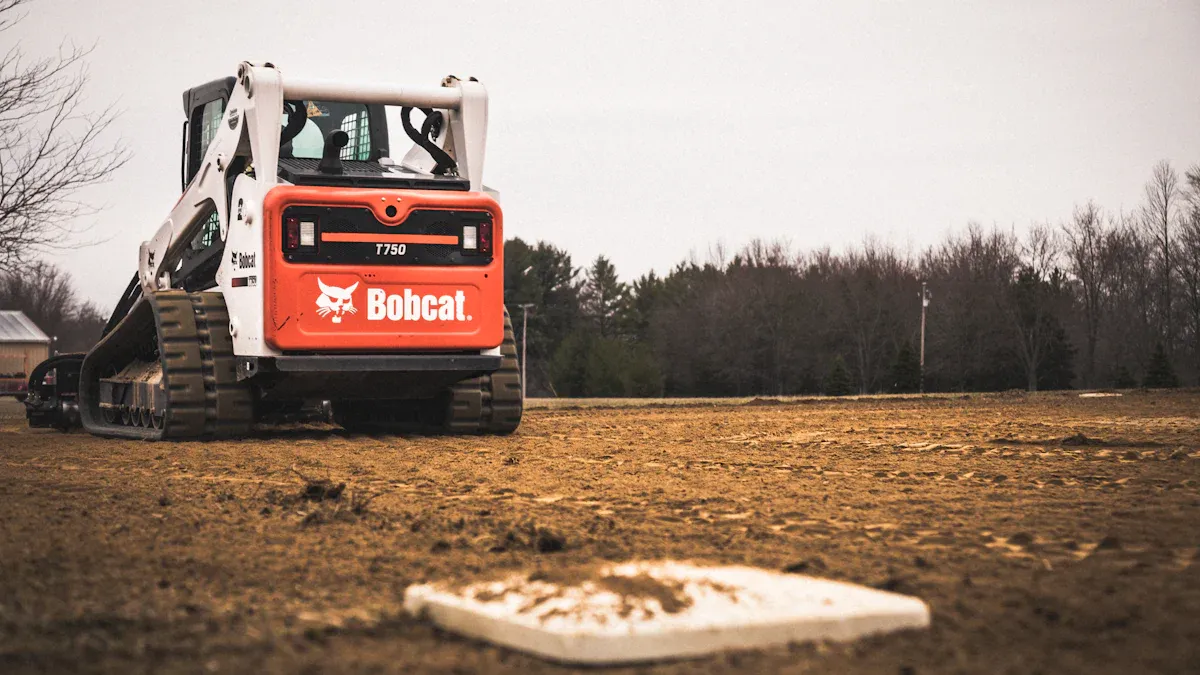
Regular inspection and cleaning can make a huge difference in how long ASV Tracks And Undercarriage last. Take a look at the numbers:
| Condition of ASV Tracks | Average Lifespan (hours) |
|---|---|
| Neglected / Poorly Maintained | 500 hours |
| Average (typical maintenance) | 2,000 hours |
| Well Maintained / Regular Inspection & Cleaning | Up to 5,000 hours |
Most companies see better durability and fewer breakdowns with daily care. Proactive maintenance keeps machines working, lowers costs, and helps crews avoid sudden downtime.
Key Takeaways
- Regularly inspect, clean, and check track tension to extend ASV track life up to 5,000 hours and reduce costly repairs.
- Adjust driving techniques to match terrain and avoid sudden moves to protect tracks and undercarriage from wear and damage.
- Use advanced features like open-design undercarriage and Posi-Track technology to improve machine performance and lower maintenance time.
ASV Tracks and Undercarriage: Site Conditions and Their Impact
Understanding Terrain Challenges
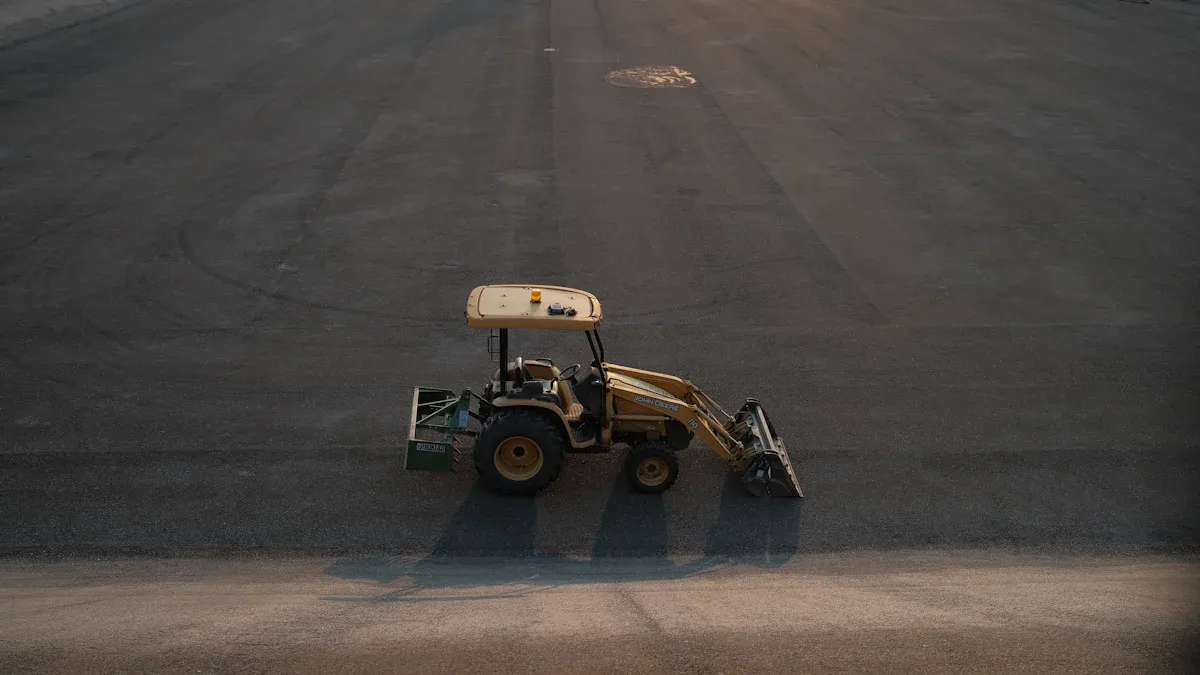
Every jobsite brings its own set of challenges. Some sites have soft, muddy ground, while others have rocky or uneven surfaces. Rugged terrain, like the steep slopes found on mountain highways, can cause deep ruts and cracks in the ground. Heavy machines moving over these areas often face more wear and tear. Studies from mountainous regions show that repeated use on rough ground leads to pavement damage and even landslides. Operators need to watch for these signs and adjust their approach to protect both the equipment and the worksite.
Adjusting Operation for Different Surfaces
Operators can make a big difference by changing how they drive on different surfaces. For example, slowing down on loose sand or gravel helps prevent the tracks from digging in too deep. Field tests with robots and vehicles show that small changes, like spreading out weight or using special driving modes, improve stability and traction. On wet or muddy ground, gentle turns and steady speeds keep the machine moving smoothly. These adjustments help Asv Tracks And Undercarriage last longer and perform better.
Tip: Always check the ground before starting work. Adjust speed and turning to match the surface for the best results.
Minimizing Wear in Harsh Environments
Harsh weather and tough environments can speed up track wear. Flooding, falling rocks, and heavy rain all put extra stress on tracks and undercarriage parts. Research shows that these conditions can make tracks wear out faster than normal. Operators should inspect equipment more often during bad weather. Cleaning off mud and debris at the end of each day also helps prevent damage. By staying alert and keeping up with maintenance, crews can keep their machines running strong, even in the toughest conditions.
ASV Tracks and Undercarriage: Operator Best Practices
Smooth Operation Techniques
Operators who use smooth driving techniques help their machines last longer. They avoid sudden starts, stops, and sharp turns. These habits reduce stress on the undercarriage and keep the ride steady. When operators spread out loads and keep speeds steady, they also protect the tracks from uneven wear. The table below shows how different practices can lower stress on undercarriage parts:
| Operational Practice | How It Helps the Undercarriage |
|---|---|
| Adherence to Weight Limits | Reduces pressure and slows track wear |
| Regular Inspections | Finds cracks and worn parts early |
| Proper Track Tension & Alignment | Prevents uneven wear and mechanical stress |
| Early Issue Detection & Repair | Stops small problems from becoming big repairs |
| Load Distribution | Improves stability and reduces stress on tracks |
Avoiding Common Operator Mistakes
Some mistakes can shorten the life of Asv Tracks And Undercarriage. Overloading the machine, ignoring track tension, or skipping daily inspections often lead to costly repairs. Operators should always check for debris, keep the tracks clean, and fix small issues right away. These steps help prevent breakdowns and keep the equipment running smoothly.
Tip: Operators who follow maintenance schedules and avoid shortcuts see fewer breakdowns and longer equipment life.
Training and Awareness
Training makes a big difference. Operators who receive regular training make fewer mistakes and handle equipment better. Research shows that proper training can reduce downtime caused by operator error by 18%. Companies that track maintenance metrics like Planned Maintenance Percentage (PMP) and Preventive Maintenance Compliance (PMC) see better results. These metrics help teams spot problems early and improve their maintenance plans. When everyone knows what to look for, the whole crew works safer and smarter.
ASV Tracks and Undercarriage: Track Tension and Adjustment
Importance of Correct Tension
Correct track tension keeps machines running smoothly and helps every part last longer. When the tension is just right, the tracks grip the ground well and move without slipping or dragging. This reduces wear on the tracks, sprockets, and idlers. If the tracks are too tight, they put extra strain on the machine. This can lead to faster wear, higher fuel use, and even damage to the undercarriage. Loose tracks can slip off, stretch, or cause uneven wear. Operators who keep track tension within the recommended range see fewer breakdowns and lower maintenance costs.
Note: Proper track tension also improves safety. Machines with well-adjusted tracks are less likely to have sudden failures or accidents.
Some key performance metrics that show the benefits of correct track tension include:
- Less equipment downtime because tracks stay in place and work as they should.
- Lower maintenance backlog since fewer emergency repairs are needed.
- Higher mean time between failures (MTBF), which means the machine runs longer before problems happen.
- Reduced maintenance costs because parts last longer and need fewer replacements.
- Better technician productivity since crews spend less time fixing track issues.
| Metric | Why It Matters for Track Tension |
|---|---|
| Equipment Downtime | Proper tension lowers breakdowns and downtime |
| Maintenance Costs | Correct tension reduces repair expenses |
| Mean Time Between Failures | Good tension increases time between problems |
| Technician Productivity | Fewer breakdowns mean more efficient work |
| Preventive Maintenance Rate | Tension checks are a key preventive task |
How to Check and Adjust Tension
Checking and adjusting track tension is a simple but important job. Operators should follow these steps to keep Asv Tracks And Undercarriage in top shape:
- Park the machine on a flat surface and turn it off. Make sure it cannot move.
- Wear safety gear like gloves and safety glasses.
- Look at the tracks for any signs of damage, cuts, or misalignment.
- Find the midpoint between the front idler and the first roller.
- Measure the sag by pressing down on the track at this midpoint. Most manufacturers recommend a clearance of 15 to 30 mm.
- If the sag is too much or too little, adjust the tension. Use the grease cylinder, hydraulic, or spring tensioner as recommended for your machine.
- Add or release grease in small amounts, then check the sag again.
- Repeat the adjustment until the sag is within the correct range.
- After adjusting, move the machine forward and backward a few feet. Recheck the tension to make sure it stays correct.
- Write down the measurements and any changes in your maintenance log.
Tip: Check track tension every 10 hours of operation, especially when working in mud, snow, or sand. Debris can pack into the undercarriage and change the tension.
Signs of Improper Tension
Operators can spot improper track tension by watching for these warning signs:
- Uneven wear on the tracks, such as more wear in the center, on the edges, or at an angle.
- Cuts, cracks, or punctures in the track rubber.
- Exposed cables showing through the rubber.
- Increased vibration or noise during operation.
- Tracks that slip off or derail.
- Rubber drive lugs wearing out faster than normal.
- Excessive track sag or tracks that feel too tight to move easily.
If any of these signs appear, operators should stop and check the track tension right away. Regular inspections help catch problems early and prevent bigger repairs later. During track replacement, it is also a good idea to check the undercarriage for other worn parts or seal failures.
Callout: Keeping track tension in the right range helps every part of the undercarriage last longer and keeps the machine safe and reliable.
ASV Tracks and Undercarriage: Cleaning and Inspection Routines
Daily Cleaning Procedures
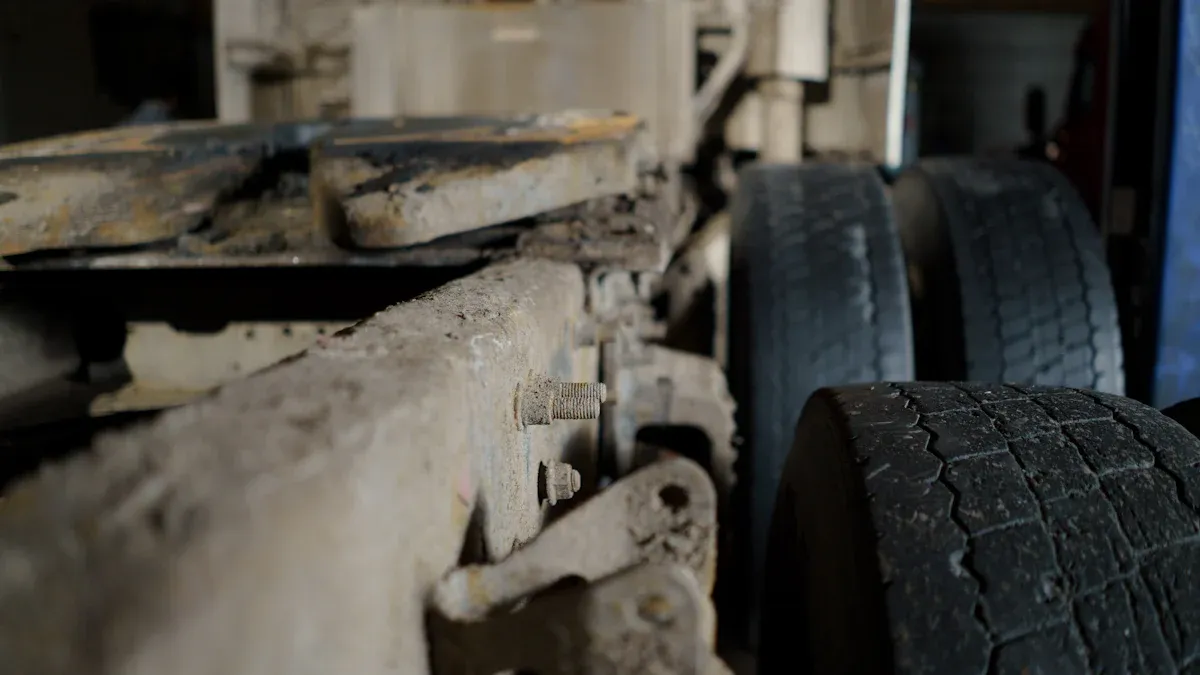
Keeping the undercarriage clean is one of the best ways to make sure machines last longer. Dirt, mud, and rocks can build up fast, especially after working in wet or rough conditions. When debris stays on the undercarriage, it causes extra wear and can even lead to breakdowns. Operators who clean their equipment every day see fewer problems and better performance.
Here’s a simple cleaning routine that works well for most jobsites:
- Use a pressure washer or a stiff brush to remove packed mud and debris from track rollers, sprockets, and idlers.
- Clear out any material stuck around the final drive housing.
- Wash off mud as soon as possible after working in wet or muddy areas. This stops it from drying and becoming hard to remove.
- Check for loose bolts, worn seals, or other damage while cleaning.
- Focus on the front and rear roller wheels, since debris often collects there.
- Remove sharp rocks and demolition debris right away to prevent cuts or damage.
- Clean the tracks more than once a day if working in muddy or abrasive conditions.
Tip: Daily cleaning helps prevent uneven wear and keeps the machine running smoothly. Operators who follow this routine often see track life increase by up to 140% and reduce replacement needs by two-thirds.
Inspection Points and What to Look For
A good inspection routine helps catch small problems before they turn into big repairs. Operators should look for early signs of wear every day. This keeps Asv Tracks And Undercarriage in top shape and avoids costly downtime.
Key inspection points include:
- Track Condition: Look for cracks, cuts, missing chunks, or uneven tread wear. These signs mean the track may need repair or replacement soon.
- Sprockets and Rollers: Check for loose or damaged parts. Worn sprockets and rollers can cause the track to slip or derail.
- Track Tension: Make sure the track is not too loose or too tight. Loose tracks can derail, while tight tracks wear out faster.
- Alignment: Check that the track sits straight on the rollers and sprockets. Misalignment leads to uneven wear.
- Seals and Bolts: Inspect for leaks, worn seals, or missing bolts. These can let dirt in and cause more damage.
- Traction and Performance: Notice if the machine loses grip or feels less powerful. This can signal worn tracks or undercarriage parts.
Operators who inspect their machines daily find problems early and keep their equipment running longer.
Scheduling Preventive Maintenance
Preventive maintenance is more than just cleaning and inspections. It means planning regular service before problems happen. Studies show that scheduled maintenance lowers costs, reduces downtime, and helps machines last longer.
Most companies plan maintenance based on how often the equipment runs and the type of work it does. Some use fixed schedules, like every 500 or 1,000 hours. Others adjust the timing based on how the machine performs or the results of recent inspections. Dynamic scheduling, which changes based on wear and failure data, is becoming more popular because it matches maintenance to real needs.
Here’s why scheduled maintenance works better than waiting for something to break:
- Planned maintenance prevents major breakdowns and keeps costs low.
- Unplanned repairs are more expensive and cause longer downtime.
- Companies that do more preventive maintenance see higher reliability and longer equipment life.
- In many industries, preventive maintenance makes up 60-85% of all maintenance work.
Note: Scheduling cleaning and inspections as part of a preventive maintenance plan helps avoid surprises and keeps jobs on track.
ASV Tracks and Undercarriage: Selecting and Replacing Tracks
When to Replace Tracks
Operators often notice signs when tracks need replacement. Cracks, missing lugs, or exposed cords show up first. Machines may start to vibrate more or lose traction. Sometimes, the track slips off or makes loud noises. These signs mean the track has reached the end of its service life. Most professionals check the hours of use and compare them to the manufacturer’s guidelines. If the track shows deep cuts or the tread is worn smooth, it is time for a new one.
Tip: Replacing tracks before they fail helps prevent damage to the undercarriage and keeps jobs on schedule.
Choosing the Right Replacement Tracks
Selecting the right track matters for performance and safety. Operators look for tracks that match the machine’s model and jobsite needs. ASV rubber tracks feature a rubber structure with high-strength polyester cords. This design helps the track flex over rough ground and resists cracking. The all-terrain tread gives better traction in mud, snow, or gravel. Lighter weight and rust-free materials make handling easier. Professionals often choose tracks with these features for longer life and smoother rides.
Installation Tips and Break-In Procedures
Proper installation starts with cleaning the undercarriage. Technicians check for worn sprockets or rollers before fitting new tracks. They follow the manufacturer’s instructions for tension and alignment. After installation, operators run the machine at low speed for the first few hours. This break-in period lets the track settle and stretch evenly. Regular checks during this time help catch any issues early.
Note: A careful break-in extends the life of new tracks and improves machine performance.
ASV Tracks and Undercarriage: Product Features That Enhance Maintenance
Open-Design Undercarriage and Self-Cleaning Benefits
Open-design undercarriages make daily maintenance much easier. Operators find that machines with this feature shed mud and debris quickly, which keeps parts cleaner and reduces the time needed for cleaning. Many brands, like Doosan and Hyundai, use smart engineering to help with this:
- Permanently sealed, lubricated track pins mean less greasing and lower operating costs.
- Larger, widely spaced rollers allow for easier cleaning and longer component life.
- Fluid change ports and filters are placed at ground level, making service tasks simple.
- Auto-lube systems can run for months without manual work.
- Sealed idlers and rollers, plus synthetic oils, stretch out maintenance intervals.
These features help crews spend less time on upkeep and more time working.
Rubber Structure with High-Strength Polyester Cords
Rubber tracks reinforced with high-strength polyester cords last longer and handle tough jobs better. Engineering studies show that these cords, when bonded well to the rubber, boost the track’s strength and flexibility. The cords help the track bend without cracking and resist damage in rough conditions. Tests confirm that the right cord design and strong bonding make the tracks less likely to break or wear out early. This means fewer replacements and more time on the job.
Posi-Track Technology and Suspension Design Advantages
Posi-Track technology stands out for its smooth ride and strong performance. The system spreads the machine’s weight over a bigger area, lowering ground pressure and helping prevent derailment. A fully suspended frame cuts down on vibration, which keeps operators comfortable and the machine stable. The table below shows how Posi-Track compares to traditional systems:
| Performance Metric | Traditional System | Posi-Track System Improvement |
|---|---|---|
| Average Track Life | 500 hours | 140% increase (1,200 hours) |
| Fuel Consumption | N/A | 8% reduction |
| Emergency Repair Calls | N/A | 85% decrease |
| Total Track-Related Expenses | N/A | 32% reduction |
| Workable Season Extension | N/A | 12 days longer |
Operators see longer track life, lower costs, and smoother operation with these advanced features.
Consistent maintenance, smart operation, and timely replacement help professionals get the most from their equipment. Here’s a quick checklist:
- Inspect tracks daily
- Clean after each use
- Check tension often
- Replace worn parts quickly
These habits keep jobs running smoothly and lower repair costs.
FAQ
How often should operators check ASV track tension?
Operators should check track tension every 10 hours of use. They can prevent problems by making this part of their daily routine.
What signs show it is time to replace ASV tracks?
Look for cracks, missing lugs, or exposed cords. If the machine vibrates more or loses traction, the tracks likely need replacement.
Can ASV tracks handle all weather conditions?
Yes! ASV tracks feature an all-terrain, all-season tread. Operators can work in mud, snow, or rain without losing traction or performance.
Tip: Regular cleaning helps ASV tracks perform their best in any weather.

Post time: Jun-26-2025